


Given the rapid increase in e-commerce goods being imported into the EU, the Commission and Member States have together acknowledged the need for an urgent solution, which will bridge the gap until the setting up of the EU Customs Data Hub in 2028, as part of the EU customs reform.
As of 1 July 2026, the EU has removed the 'tax-free' limit for small orders (formerly called the €150 de minimis). This means every single parcel you send to the EU now has to pay customs duties, no matter how small or cheap the item is.
In this blog, we’ll cover:
The New €3 Fee: What Is Changing
Until the 2028 reform is fully rolled out, EU member states agreed that a flat rate customs duty of €3 is now applied to items in parcels valued under €150.
Why is this happening?
Previously, many small parcels entered the EU duty-free, which gave overseas sellers a price advantage over local EU businesses who had to pay taxes on everything they sold. By applying this small fee to every item, the EU has levelled the playing field, making it fairer for local retailers to compete with international ecommerce stores.
How this is being charged:
A €3 fee is applied per item, which specifically means per HS Code. If that feels a bit confusing or you want to see how this works in practice, here’s a quick example to clear the air:
- Imagine you're a retailer shipping a parcel containing 1 silk blouse and 2 wool blouses. Because they have different HS Codes, that parcel is considered to have two distinct items. In this case, €6 in customs duty would be paid (€3 for the silk item + €3 for the wool item).
Shipping via Couriers: Two Ways to Pay
When you ship with companies like FedEx, or UPS, you usually have two choices for how these taxes are paid. This choice is the biggest factor in whether your customer has a good experience.
Option 1: You Pay Upfront (DDP)
This is called "Delivered Duty Paid". In this scenario, the sender (the business) pays for the duties and taxes before the parcel is sent.
- The Benefit: The parcel zooms through customs because the bill is already settled.
- The Result: Your customer gets their package with no surprise bills at their door.
Option 2: Your Customer Pays Later (DDU)
This is "Delivered Duty Unpaid". You ship the item, and the customer has to pay the taxes when the parcel arrives in Europe.
- The Risk: While the shipping looks cheaper at first, your customer might be shocked by a surprise bill for the €3 duty, VAT, and a carrier handling fee.
- The Result: Customers sometimes refuse to pay these fees, meaning the parcel gets sent back to you with additional fees or abandoned.
What About the Post?
If you use Australia Post for international shipping, here's what you need to know about how they're handling these changes.
How will these costs be calculated?
- Receiver pays: Charges are paid by the recipient when the parcel arrives at its destination
- Sender pays (via Zonos® Verified Account): Charges are paid upfront by you, the sender
- Sender pays (via Tax ID): Charges are managed externally through your own tax arrangement
Please note that for some destinations, the payment method may be mandated and the appropriate option will be applied automatically.
If Zonos® is used, it will support the calculation, collection and remittance of these landed costs.
This 'receiver vs sender' payment option also applies to parcels sent to the US, Canada, Norway and the United Kingdom.
Additional requirements
To comply with these regulatory changes, you'll also need to provide:
- More detailed customs information, including item classification and country of origin
- A valid export reason. 'Gift' will no longer be accepted for business shipments
- Accurate declarations, as duties may be calculated per item rather than per parcel
What to do next
To keep your shipments moving and stay compliant, Australia Post recommends you:
- Review your current approach to managing duties, taxes and fees
- Decide on your preferred payment model (sender vs receiver)
- Confirm whether you need a Tax ID or Zonos® Verified Account for your shipments
A Second Fee Is on the Way: The €2 Handling Fee
On top of the €3 customs duty, the EU is also planning to introduce a separate handling fee of around €2 per item (again, based on HS Code). This is expected to come into effect by 1 November 2026.
If both fees go ahead as planned, that could mean a combined €5 per item in extra charges on low value parcels, on top of any VAT.
This handling fee is still being finalised, so the exact amount and start date could shift. We'll keep this guide updated as more details are confirmed.
It's also worth knowing that a few EU countries are introducing their own handling or administrative fees at a national level, separate from this EU wide fee. These can vary by country, so it's a good idea to check with your customer or courier if you're shipping regularly to a particular EU market.
The "Must-Have" Checklist for Your Shipments
To get through customs without delays, you will need three important identification numbers:
- IOSS Number: The Import One-Stop Shop (IOSS) is used for goods valued under €150. It allows VAT to be collected upfront at checkout, which means your shipment can move through customs faster without additional charges at delivery. Without an IOSS number, these shipments will need to be formally cleared through customs, which can lead to delays and extra fees for the receiver.
- EORI Number: This is a mandatory identification number for any business shipping goods into the EU. It allows customs authorities to recognise the sender or importer and process the shipment correctly.
- HS Codes: A 6-digit code that tells customs exactly what is in the box. This is now vital for calculating the correct taxes.
How to Fill Out Your Paperwork Correctly
To avoid your parcel being held or sent back, you must be 100% accurate on your commercial invoice. Make sure to include:
- Tax info, ABN and Identification Numbers: Your Australian business details.
- Reason for export: Usually "Sale".
- For each item included in the shipment:
- A clear description: Say "Cotton T-shirt," not just "Gift" or "Clothes."
- The correct HS Code: Use our tool to find the right number.
- Quantity & Value: How many are inside and what they cost.
- Country of manufacture: Where the item was made.
How Interparcel Helps You
We’ve built our platform to make this whole process simple so you can keep shipping without any headaches.
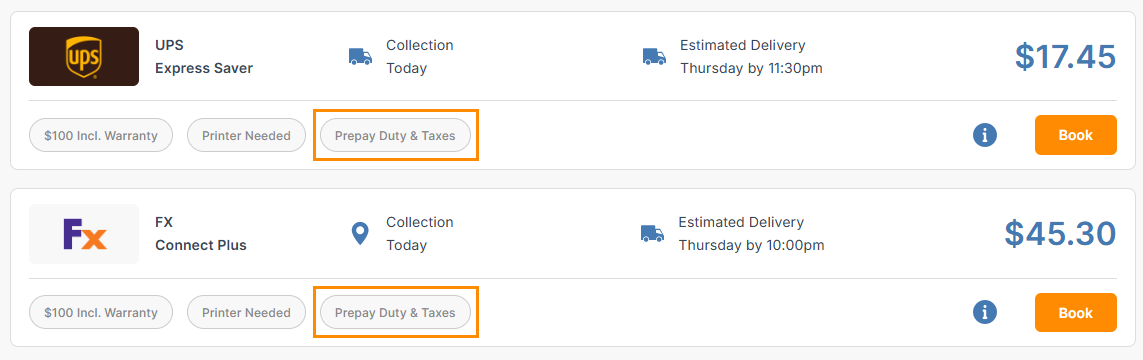
- Pre-pay Taxes easily: On our platform, look for the ‘Prepay Duty & Taxes’ tag when booking with FedEx or UPS. You can choose to pay the taxes yourself, so your customer doesn’t have to.
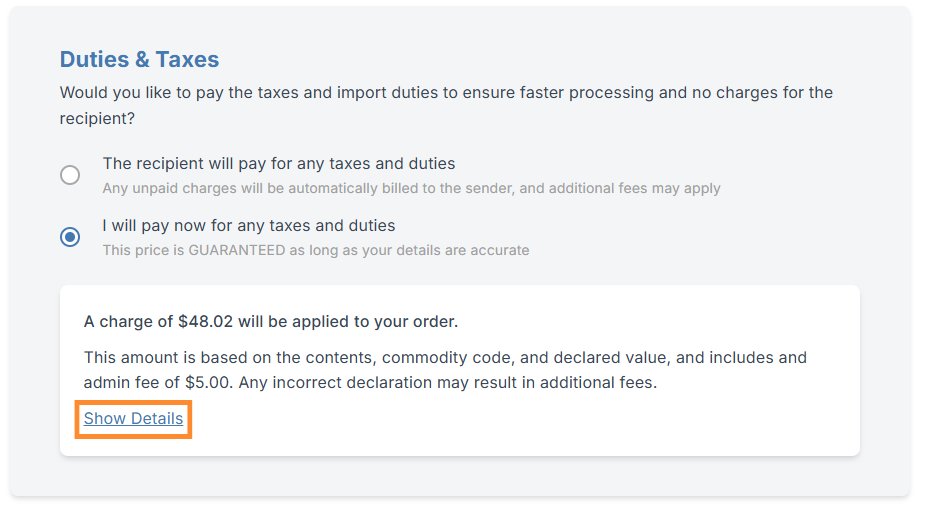
- Full Cost Breakdown: You can click ‘Show details’ in the booking process to see exactly what the duties and taxes will be before you pay for the shipment.
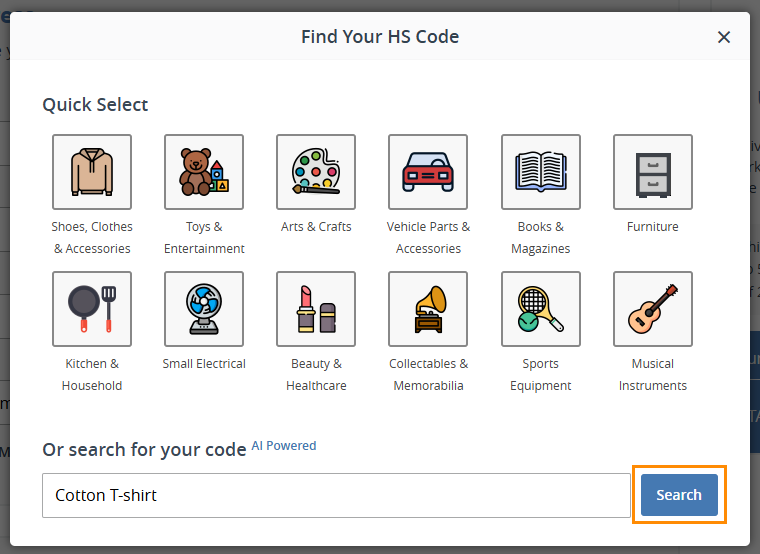
- HS Code Tool: We have a built-in tool to help you find the right codes for your items, ensuring you aren't overcharged.
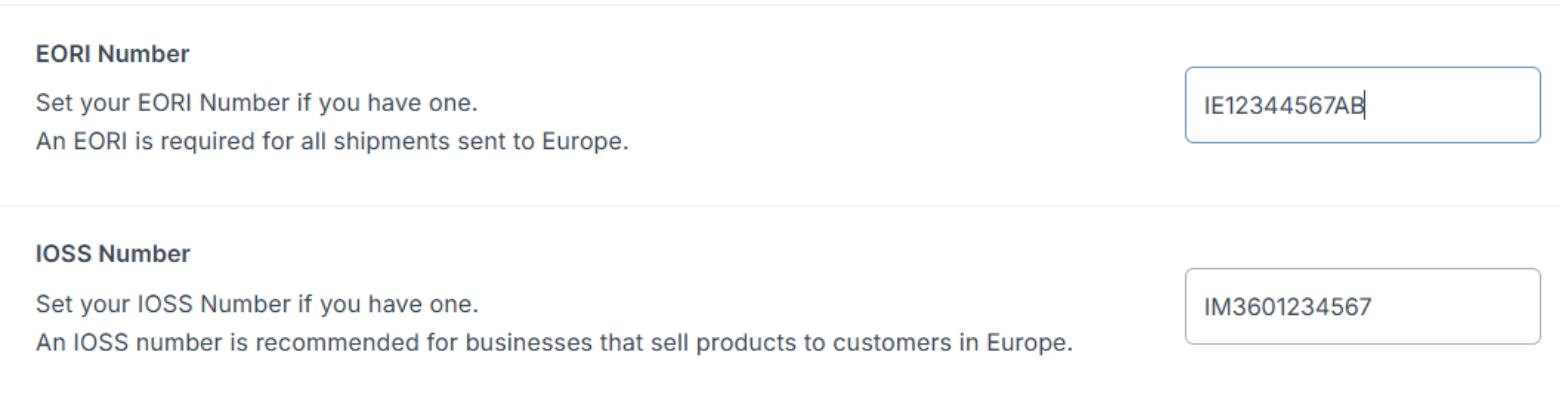
- Dedicated Fields: We have spots for you to save your IOSS and EORI numbers so they are automatically added to your paperwork. You can easily store these identifiers in your account settings, so they're ready to go for every shipment to the EU.
The Bottom Line
Shipping to the EU is changing, but it doesn't have to be difficult. By being clear with your customers and using the right tools to prepay taxes, you can keep your international sales growing smoothly.
If you have any questions about these changes or need assistance, our team is ready to help. You can reach us on 1300 006 031, on live chat, or send us an email at help@interparcel.com.au





 Facebook
 Twitter
 Instagram
 Linked In
 YouTube