


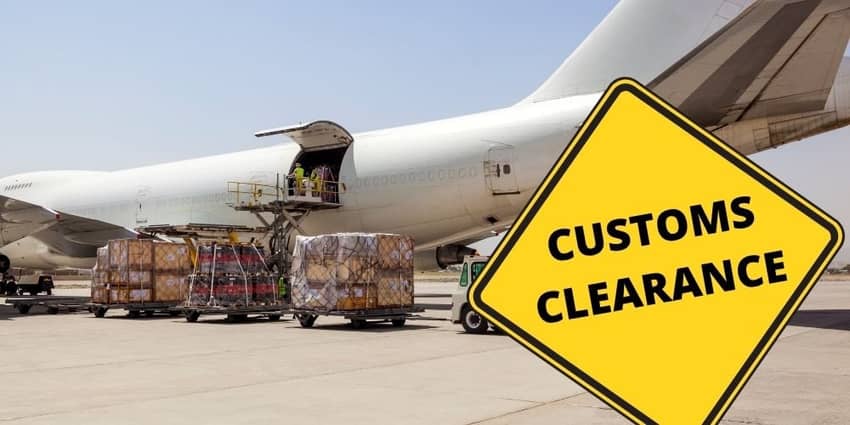
New Zealand has changed how low-value goods are charged when they cross the border.
From 1 April 2026, imported and exported goods valued at NZ$1,000 or less are now subject to low-value goods levies.
These updates apply to both imports and exports, so whether you’re bringing goods into New Zealand or sending them out, it’s worth understanding how they work.
What Are the New Low-Value Goods Levies?
For goods valued at NZ$1,000 or less, the following levies now apply:
- Imports into New Zealand: NZ$2.21 + GST per shipment
- Exports from New Zealand: NZ$2.48 + GST per shipment
These levies are charged to help cover border processing costs and apply to low-value goods crossing the New Zealand border as freight.
For most ecommerce businesses shipping into New Zealand, the import levy is the main one to factor into your pricing.
How Import Charges Work
For imported goods valued at NZ$1,000 or less:
- 15% GST is generally charged at checkout if the overseas seller meets New Zealand’s GST registration threshold
- No customs duty usually applies
- Standard import entry fees generally do not apply
- The low-value import levy may still apply
For goods valued over NZ$1,000, GST is usually collected at the border, and duties or other fees may apply.
| Value of Goods (NZD) | GST | Duty | Additional Charges |
|---|---|---|---|
| ≤ $1,000 | 15% at checkout | 0% | NZ$2.21 + GST levy |
| > $1,000 | 15% at border | Applies | Standard import fees |
One Rule That Can Catch You Out
New Zealand Customs may treat multiple parcels as a single consignment if they are sent from the same sender to the same receiver and arrive at a similar time.
If the combined value exceeds NZ$1,000, GST may be collected at the border and duties or standard import fees may apply.
This is worth keeping in mind if you split orders across multiple shipments.
What This Means for Your Shipping Strategy
The main takeaway is simple: low-value shipments now come with extra border processing costs.
That means it’s worth:
- Factoring the levy into your shipping costs
- Being clear with customers about possible charges
- Checking whether your shipment falls under or over the NZ$1,000 threshold
- Avoiding surprises at delivery where possible
How the Low-Value Levy Is Calculated with Interparcel
How the levy is charged when you use the Interparcel platform can depend on the courier service you choose.
With DHL Ecommerce and Asendia, the levy is already calculated in the shipping rate shown at booking, so there is no separate levy charge to manage.
With FedEx, DHL (Interparcel Express) and UPS, the charge depends on the duty and tax option selected:
- If you choose DDU, the receiver may be charged before delivery.
- If you choose DDP (Prepay Duty & Taxes), the sender pays the applicable charges upfront

Choosing DDP can help reduce payment surprises for the receiver and create a smoother delivery experience.
Final Takeaway
The 2026 New Zealand import changes aren’t disruptive. Your business can continue as usual if you’re prepared:
- Get your pricing right.
- Set clear expectations.
- Optimise how you send.
Do that, and you turn compliance into a smoother, more reliable delivery experience your customers actually notice.





 Facebook
 Twitter
 Instagram
 Linked In
 YouTube