



Thinking about importing products from China for your online store? You're not alone. According to the Australian Department of Foreign Affairs and Trade, China is Australia's largest two-way trading partner, with imports from China totalling $120 billion in 2024/2025. Thousands of ecommerce businesses source their products from there every day.
If it feels a little overwhelming at first, don't worry. Once you know the key steps, the process is a lot more straightforward than it looks. One thing worth keeping in mind from the start: making sure your products meet Australian safety standards before you place an order can save you a lot of trouble down the line, but we’ll cover that as we go.
Here's everything you need to get started:
Why Australian Businesses Import from China
China offers an enormous range of products at competitive prices. From homewares to electronics, clothing to accessories, chances are there's a supplier in China already shipping products similar to yours.
It's also worth knowing that Australia has a Free Trade Agreement with China (ChAFTA), which can reduce or eliminate duties on certain goods. That's good news for small businesses keeping a close eye on costs.
How to Import from China to Australia: Step-by-step
Whether you're placing your first order or looking to make your imports more regular, the process follows the same key steps. Here's what to expect at each stage.
1. Find and Verify a Supplier
This is where it all starts. Taking time to find a supplier you can trust makes everything that follows much smoother.
Before you commit to anyone, make sure you:
- Order product samples before placing a bulk order.
- Check their reviews and transaction history on the platform.
- Use a secure payment method where possible.
- Confirm your products meet Australian mandatory standards; this can help avoid delays or seizures at the border.
It's worth taking your time here. A little extra research up front can save you a lot of trouble down the line.
2. Choose Your Freight Method
Once you know what you're importing, you'll need to decide how to get it to Australia. There are two main options: air freight and sea freight, and they work quite differently.
Air Freight
Air freight is the faster option. Shipments from China to Australia typically arrive in 3 to 7 days. It's a great fit if you're:
- Restocking time-sensitive or seasonal items.
- Placing your first order and want the goods to arrive quickly.
- Ordering product samples from a supplier before committing to a larger order.
- Moving larger quantities fast. Pallet air freight is worth looking at if your store is growing and you need to restock quickly.
Sea Freight
Sea freight is usually the cheaper option. It's a good fit for businesses where timing isn't a priority. Products will take around two months to arrive from China. If you're happy to plan further ahead and price is your main focus, it can work well. Just keep in mind that the longer lead time means you'll need to be on top of your stock planning to avoid running out while you wait.
So, Which One Is Right for You?
The easiest way to decide is to ask: what would cost your business more: paying extra for faster freight, or waiting longer for cheaper delivery?
If running out of stock could mean missed sales, unhappy customers, or delays during a busy period, faster shipping may be worth the extra cost. But if you have enough inventory on hand and can plan ahead, slower shipping may help protect your margins.
For many retailers, it’s not always one or the other. You might use sea freight for planned stock orders, then use air freight when you need samples, urgent top-ups, or extra flexibility during peak periods.
That’s where comparing your options can help. With Interparcel, you can check available services, compare prices, and choose the freight option that best fits your timeline, budget and stock needs. Get a quote here.
3. Factor in Import Taxes and Landed Costs
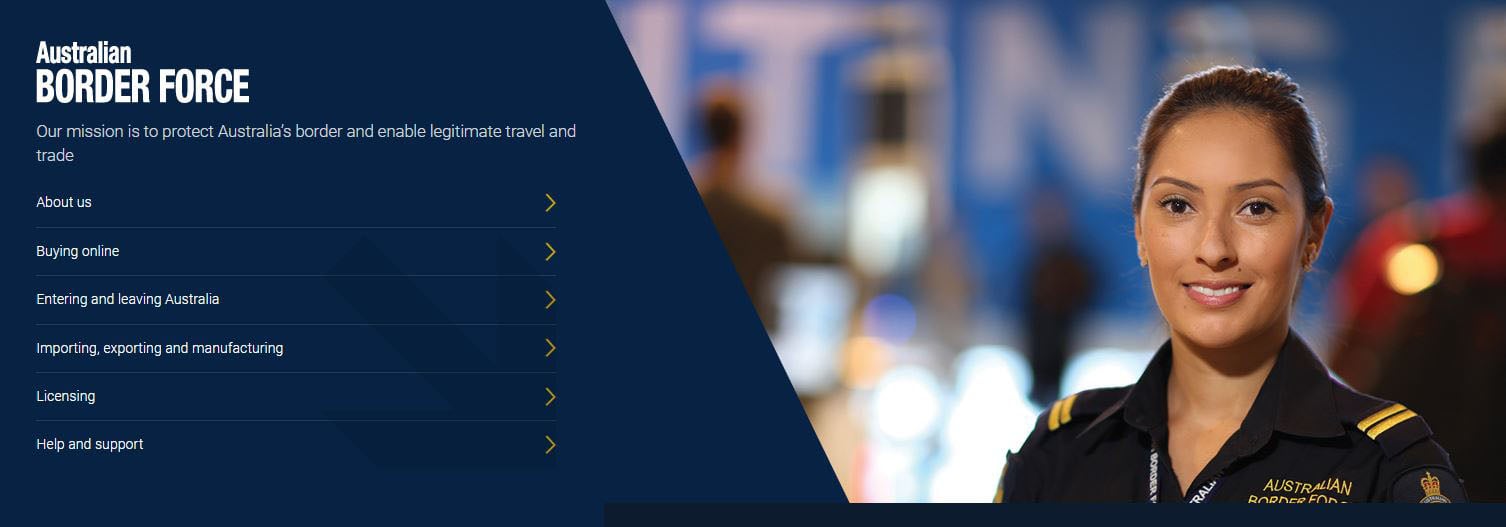
Before your goods arrive in Australia, it's worth knowing that duties and GST may apply depending on the value and type of products you're importing. The Australian Border Force (ABF) and the Australian Taxation Office (ATO) are the best places to check what applies to your specific goods.
The good news is that when you book through Interparcel, you can decide how you would like to handle duties and taxes. Whether you prefer to pay them upfront at the time of booking or upon arrival.
Want to understand the difference between DDU and DDP? We’ve put together a dedicated blog article on DDP vs DDU that walks you through everything you need to know before you book.
4. Get Your Paperwork Ready
Before your goods leave China, you’ll need to make sure the right documentation is in order. For international shipments, this includes a commercial invoice detailing what you’re importing with a clear description of the goods and their value, a packing list, and a customs declaration. You’ll need your product’s HS Code, which is the international classification number used to identify goods at customs and determine the applicable duty rate, as well as the country of manufacture.
For any additional requirements specific to your product or the country you're importing from, always check the relevant country guidelines before you book.
5. Check What You Can and Can’t Import
Biosecurity & Packaging
Australia has strict biosecurity rules that apply to all imported goods. Before you place an order, it’s worth checking that your products are suitable for import into Australia and that any packaging meets the required standards. If your shipment uses timber packaging, it must be treated and certified to meet Australian biosecurity requirements set by the Department of Agriculture, Fisheries and Forestry (DAFF). Always check DAFF and the Australian Border Force (ABF) requirements before your goods are shipped to avoid unnecessary inspections or holds.
What Interparcel Can or Can’t Ship
Once you have confirmed your products are cleared to enter Australia, make sure to check our list of prohibited and restricted items before you book. Prohibited items can’t be shipped through Interparcel under any circumstances. While some restricted items can still be sent through Interparcel, please note that the transit warranty for restricted goods covers loss only, not damage.
Air Freight from China to Australia
Compare rates from leading international carriers and book your shipment in minutes. Whether you're shipping a few boxes or a full pallet, we've got options to suit. Get a quote and start shipping today.
Express Shipping
Need your goods to arrive as fast as possible? Our express services from China to Australia are available through carriers like FedEx, DHL and UPS, typically delivering in 3 to 7 business days. It’s also the most practical option if you’re ordering product samples from a supplier before committing to a larger order. Fast, trackable, and door-to-door.
Pallet Shipping
If your store is growing and you're restocking regularly, pallet air freight lets you move larger quantities quickly without switching to a more complex freight solution. Great for when your turnover demands it.
Made for Retailers, Built Around Your Business
Whether you’re bringing stock in from China or getting orders out to your customers, Interparcel keeps everything in one place. Here’s what you get when you ship with us.
- Multi-carrier Platform: Compare real rates from leading international carriers in one place and book in minutes. No back and forth between different courier websites or waiting days for a quote.
- Built for Ecommerce Businesses: Whether you’re on Shopify, WooCommerce, eBay or another platform, Interparcel integrates directly with your store. Fetch your orders, book your shipments and manage everything from a single dashboard.
- Automate Courier Selection: Set rules with Rule Manager to automatically choose the best courier and service for each order. No manual decisions. No second-guessing.
- Bulk Label Printing: Process and print shipping labels for multiple orders in one go.
- Use the Right Packaging Every Time: Smart Boxing selects the most efficient box for each order, helping reduce wasted space and unnecessary shipping costs.
- Real-time Tracking: Whether it’s stock coming in from China or parcels going out to your customers across Australia or internationally, Interparcel’s dedicated tracking page gives you visibility over everything in one place.
- Customer Service Support: If something comes up, our customer service team is reachable by phone, live chat or email.
- Branded Tracking: Give your customers the same visibility. With Branded Tracking, your buyers can follow their order in real time through a tracking page that looks and feels like your store. It's a simple way to build trust and cut down on "where's my order?" messages.
We offer air freight from China to Australia, including pallet shipping for businesses that need to move larger quantities quickly. Whether you're ordering a sample to test a product before committing to a bulk order or your store is growing and you need to restock fast to keep up with demand, pallet air freight is worth looking at. And the best part? There are no subscription fees, no lock-in contracts. You only pay for the shipments you book. Compare your options and book in just a few clicks. Get a quote here.
Importing From China to Australia FAQ’s
Do I have to pay import tax from China to Australia?
Importing duties and GST may apply depending on the value and type of goods you’re importing. The ABF and ATO are the best places to check what applies to your specific products. When you book through Interparcel, you can also decide upfront who covers those costs. Learn more about DDU vs DDP here.
How much does air freight from China to Australia cost?
It depends on the size, weight and carrier. If you’re a retailer importing regularly, our shipping expert team can work with you to get better rates tailored to your business.
How long does shipping from China to Australia take?
By air, typically 3 to 7 days. The fastest and most popular option for ecommerce businesses.
What items cannot be imported from China to Australia?
Before you order, it is worth checking on two fronts. First, what's allowed to enter Australia. The Australian Border Force (ABF) is the right place to confirm your products are compliant. Second, what Interparcel can ship. Check our list of prohibited and restricted items before you book. Some restricted items can still be sent through Interparcel, but please note that the transit warranty for restricted goods covers loss only, not damage.
What is a customs broker?
A customs broker is a fee charged by couriers or freight providers to handle the clearance of your shipment through customs. Think of it as a handling charge for making sure your goods meet all the necessary import requirements before they are released into Australia. This fee is included as part of the duties and taxes you will need to factor in when importing goods from China. When you book through Interparcel, you can decide how you would like to handle these costs. If you want to know more about how duties and taxes work, check out our dedicated blog article about DDU vs DDP.
Ready to Get Started?
Importing from China doesn't have to be complicated. Once you've got your head around the basics, we’re here to take care of the shipping side. Get a quote here.



 Facebook
 Twitter
 Instagram
 Linked In
 YouTube