


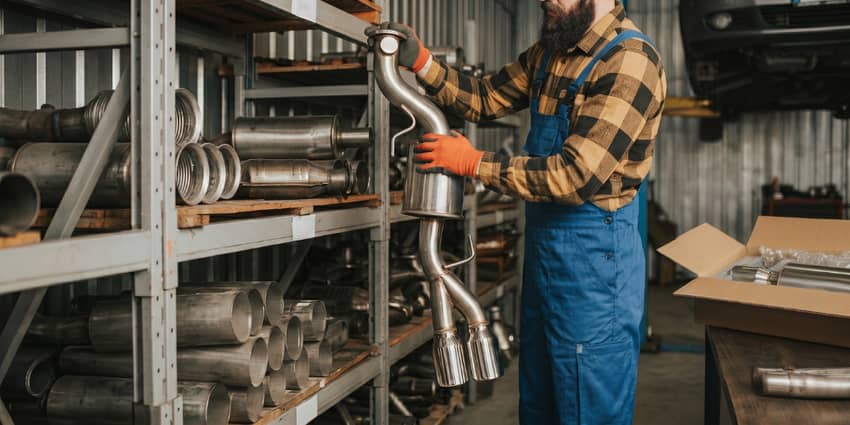
Shipping car parts follows many of the same packing principles as any other parcel, but some parts can be heavier, more fragile, or more odd-shaped, so choosing the right packaging and service can help reduce the risk of damage, delays, or extra costs.
Whether you are sending a small spare part within Australia or organising an international shipment, getting the basics right makes a big difference. This guide explains how to ship car parts more safely, how to package them properly, and what to consider before booking your shipment.
In this article, you’ll find:
Can you ship car parts, and how do you ship them?
Many car parts can be shipped within Australia and internationally, but the right courier option depends on the size, weight, fragility, and value of the part, as well as whether there are any restrictions that apply. Smaller spare parts such as filters, trims, mirrors, or lights may suit standard parcel services, while heavier or bulkier items such as wheels, bumpers, panels, or mechanical parts may need stronger packaging, a more suitable courier service, or even pallet freight.
Once you know what you are sending, package it securely inside a sturdy double corrugated cardboard box with enough cushioning to reduce movement and absorb impact during transit. Wrap delicate surfaces carefully, protect edges and corners, and fill empty space with cushioning material so the item stays secure inside the carton.
After packing the item, measure and weigh the final parcel accurately. This is important because shipping costs often depend on both weight and dimensions, and incorrect measurements can lead to extra charges, delays, or service issues. The final step is choosing a shipping service that suits the size of the part, the destination, and how quickly it needs to arrive. Standard shipping may suit less urgent items, express delivery may be suitable for smaller urgent parts, and larger or heavier shipments may need a freight or pallet option instead.
How do you pack car parts for shipping?
Every shipment should be wrapped properly inside a sturdy double corrugated cardboard box with enough internal cushioning to reduce movement and absorb impact during transit. Good packaging is one of the most important steps in avoiding damage, delays, and extra handling issues.
If you are sending bulky or awkward items like bumpers, wheels, or body panels, read our blog article on how to ship odd-shaped items for more detailed packing advice.
Packing Tips for Car Parts
- Use a sturdy double corrugated cardboard box
- Add cushioning around the bottom, sides, top, and between items
- Fill the empty space to help prevent movement
- Protect fragile surfaces, painted areas, corners, and sharp edges
- Reinforce the box if the item is heavy
- Seal the parcel securely with strong packing tape
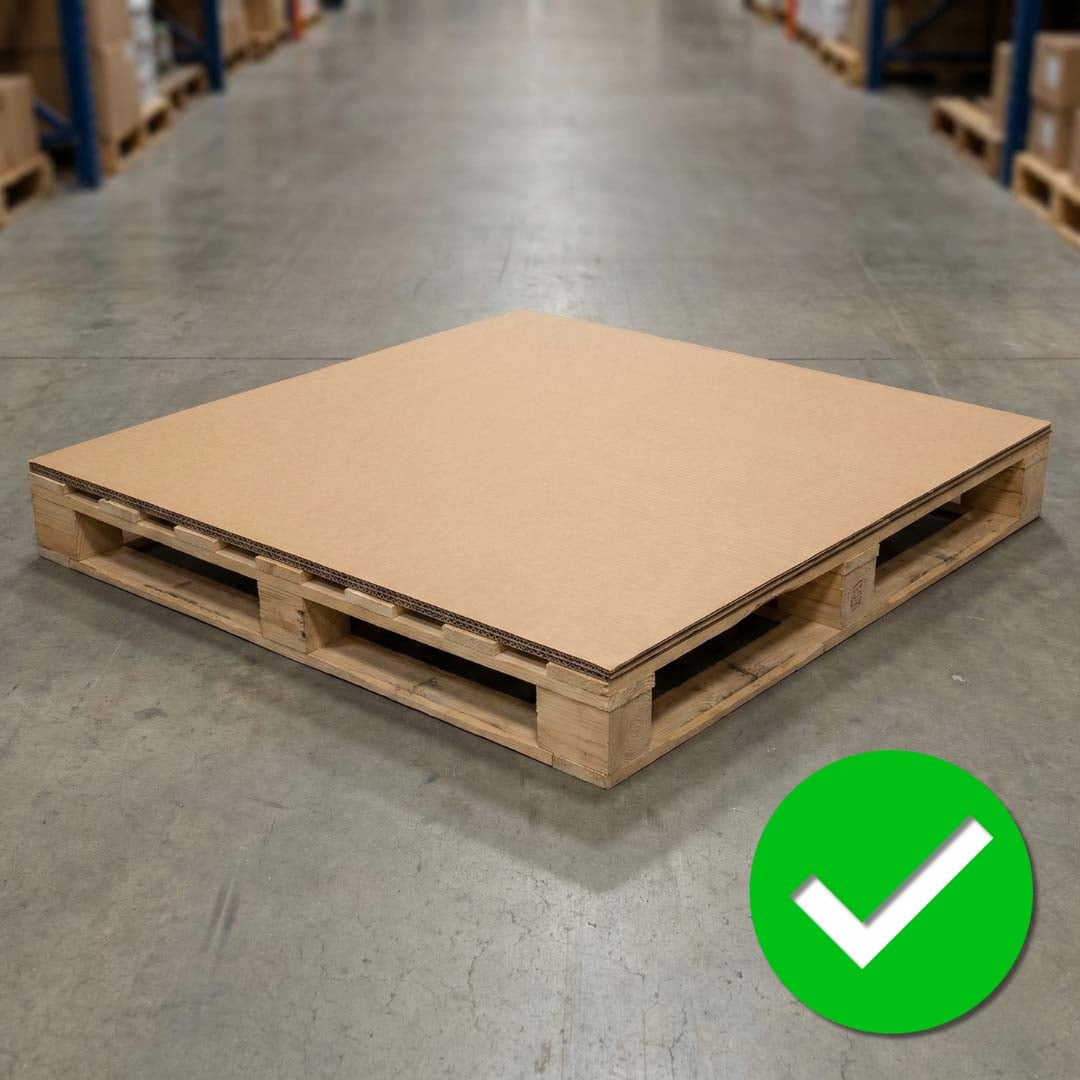
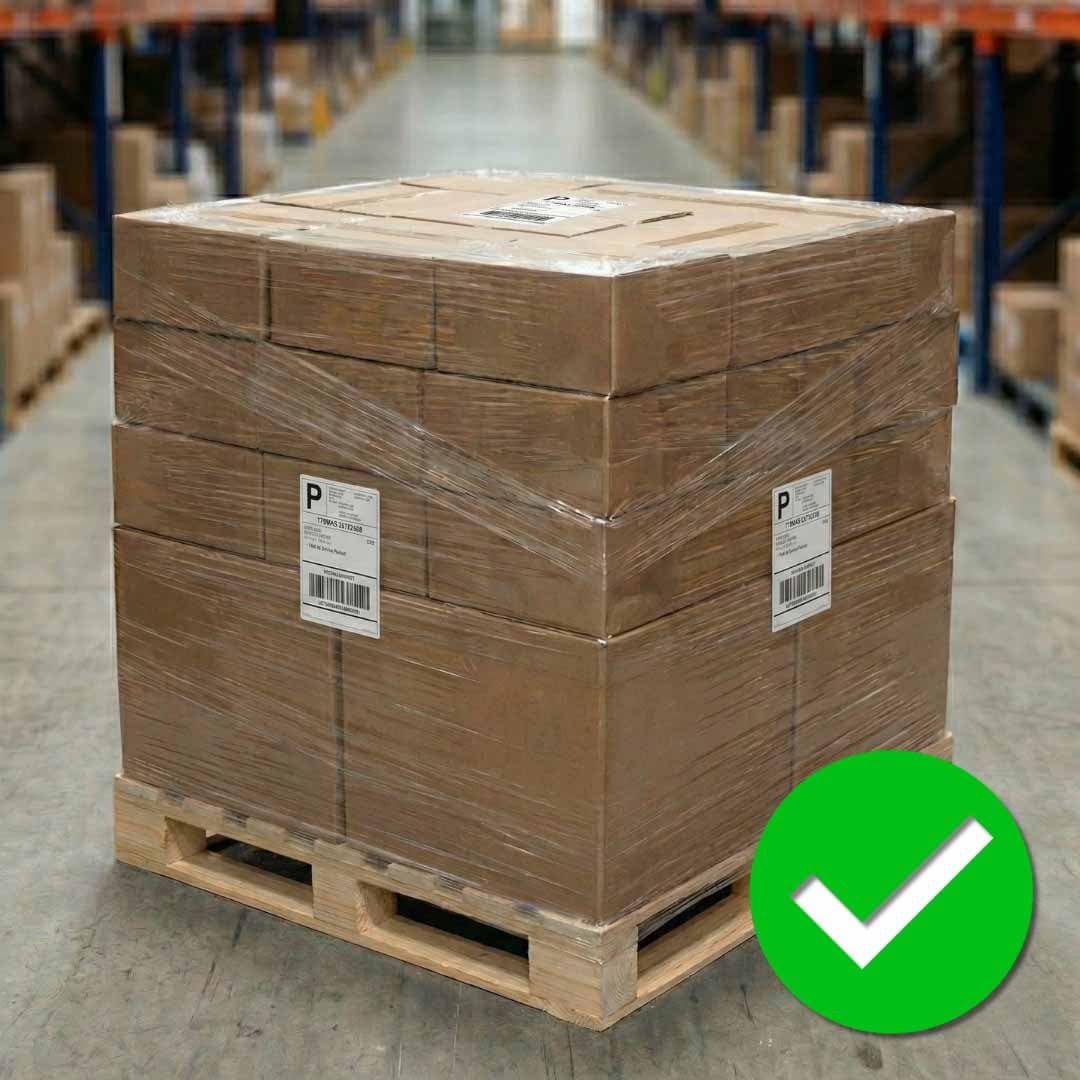
- Use a pallet if the shipment is too heavy or unstable for a carton


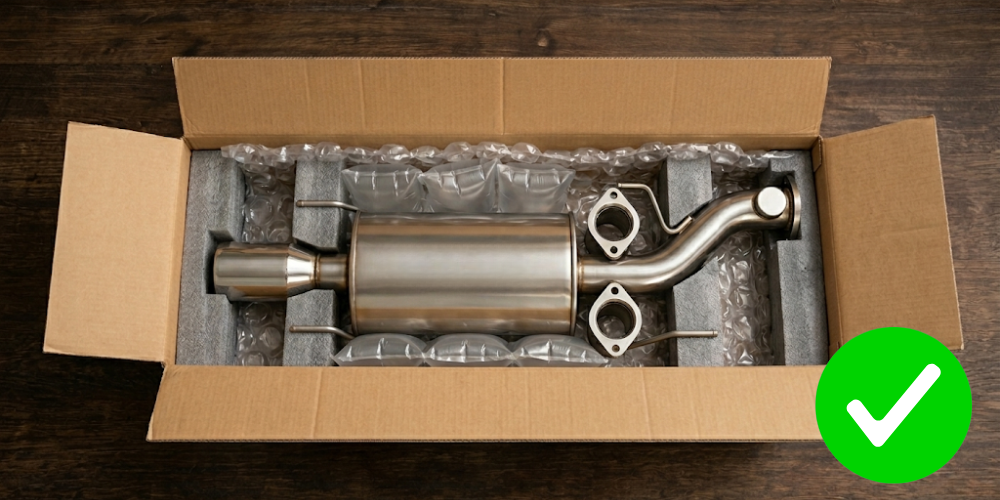
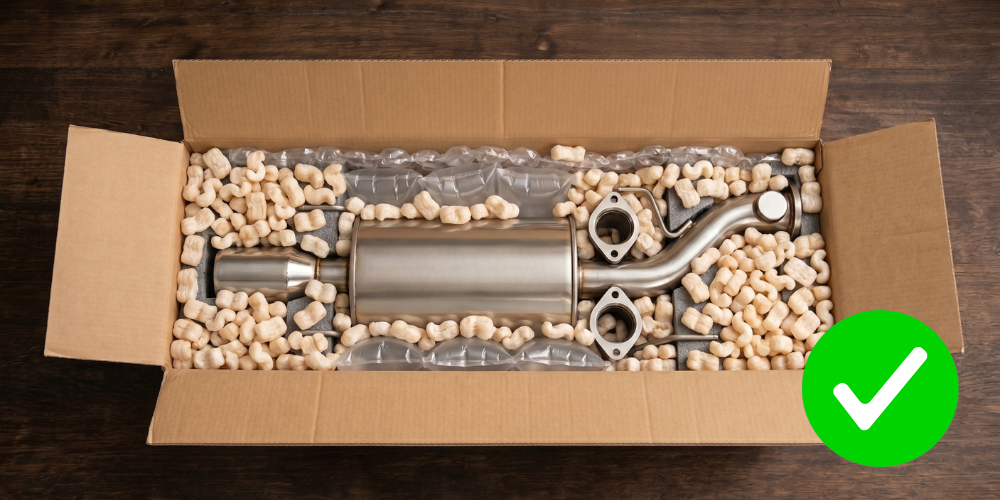

Pro Tip: Use polyurethane foam packing to create a custom fit around car parts and reduce movement during transit. Watch how to use spray foam for more secure shipping.
Shipping Fragile Car Parts
Sending fragile items through the courier network carries a risk of damage during transit. However, if you choose to send fragile goods at your own risk, they must be packaged extremely well to reduce the chance of breakage.
Use a sturdy cardboard box, bubble wrap or foam cushioning, and fill all empty spaces so the item cannot move around inside the parcel. For extra protection, you can use the double-box method by placing the wrapped item inside a smaller box, then placing that box inside a larger outer carton with cushioning in between. Seal everything securely with strong packing tape. Proper packaging can help reduce the risk of damage, but it does not remove the risk completely.
Please note that prohibited items cannot be sent, and restricted items are only covered for loss, not damage, under our transit warranty. Before booking, always check the restricted and prohibited items list to make sure your shipment is suitable to be sent.
Does adding a fragile sticker mean the parcel will be handled carefully?
Adding a fragile sticker does not mean the parcel will be handled carefully throughout the courier network. Parcels still move through standard handling and sorting processes, so the packaging itself needs to do the real work of protecting the item.
In some cases, fragile labels may also result in an extra handling fee depending on the service or shipment type. That is why it is important not to rely on stickers alone.
The safest approach is to package the item properly from the start, rather than relying on a fragile sticker for extra care.
International Shipping for Car Parts
Many car parts can be shipped internationally, but the process is usually more complex than domestic shipping.
When shipping car parts overseas, you will need to complete customs paperwork, provide an accurate item description, declare the value correctly, and account for duties and taxes from the destination country. If you choose to ship with duties and taxes prepaid (DDP), these can be paid before the shipment is sent. Shipping times may also vary depending on the route and service you choose.
It is also important to know the part's country of origin, the destination country, and the material it is made from. These details can affect customs requirements and whether the item can be sent. Before booking, the sender should make sure they understand the regulations in both the origin country and the destination country, as rules can vary depending on the part and its material.
The more accurate your shipping details are, the smoother the process is likely to be. Vague descriptions, poor packaging, or incorrect values can lead to customs delays or extra surcharges. It is also important to check whether the destination country has any restrictions on the type of part you are sending.
How Interparcel Helps With Shipping Car Parts
Interparcel makes it easier to compare shipping options for a wide range of items, including car parts.
Instead of trying to work out which courier may suit the shipment on your own, you can compare services in one place and choose an option that matches the size, weight, destination, and urgency of the part you are sending.
Whether you need to ship car parts within Australia or overseas, Interparcel can help you access different delivery options, compare quotes, and book the service that fits your shipment more easily. For bulky or odd-shaped parts, having access to a wider mix of services can make the process far more flexible.
Before You Book Your Shipment
Before sending car parts, it is worth checking a few final details. Make sure the item is packaged securely and properly, the dimensions and weight are accurate, and the service suits the size, urgency, and destination of the shipment.
The FAQ section below covers a few common questions people have when shipping car parts, especially for international routes and different types of deliveries.
Shipping Car Parts FAQ’s
What should you know about shipping car parts internationally?
Whether you're sending car parts from Japan, the USA, or the UK to Australia, there is not usually one single rule that applies to every part. Requirements can vary depending on the type of part, the material it is made from, and whether it contains hazardous components. Parts such as airbags, lithium batteries, oils, fuel-related components, gas-filled items, or other dangerous goods may be restricted or need to follow additional transport, packaging, labelling, or documentation rules. Before sending, make sure the part is described accurately, the country of origin is known, and the shipment meets the export requirements of the sending country as well as the import, customs, and biosecurity requirements of the destination country. It is also important to make sure the item is clean and suitable for import, especially when sending vehicle parts to Australia.
Can you ship car parts within Australia?
Yes, many car parts can be shipped within Australia, but the right option depends on the size, weight, fragility, and whether the part includes anything restricted or classed as dangerous goods. For example, some batteries, wet cell car batteries, internal combustion engines, compressed gas items, and other hazardous components can be restricted or prohibited depending on the service. For standard car parts that are suitable to send, the safest approach is to package them properly in a sturdy cardboard box with enough internal cushioning to reduce movement in transit. Smaller parts may suit parcel or express services, while heavier, bulkier, or odd-shaped items may be better suited to pallet or freight options.
What is the best way to ship car parts?
The best way to ship car parts is to match the packaging and service to the item. Strong outer packaging, accurate dimensions, and enough cushioning inside the box are essential, especially for parts that are heavy, fragile, sharp-edged, or odd-shaped. Sending parts loosely wrapped or without proper outer packaging increases the risk of damage and handling issues during transit. It is also important to check whether the part is suitable for the network before booking. Items that contain dangerous goods components, such as certain batteries or gas-filled parts, may face extra restrictions, additional handling requirements, or may not be accepted at all.





 Facebook
 Twitter
 Instagram
 Linked In
 YouTube